
Public
The hidden psychology behind gambling’s allure and its impact on decision-making
The hidden psychology behind gambling’s allure and its impact on decision-making
The Thrill of Uncertainty
The allure of gambling often stems from the thrill of uncertainty. This excitement is deeply rooted in human psychology, where the unpredictability of outcomes can create a rush of adrenaline. This phenomenon, known as variable reward schedules, is akin to the mechanisms found in slot machines and other forms of gambling. When players engage in such activities, they are not merely gambling with their money; they are playing with their emotions, experiencing highs and lows that can be both exhilarating and addicting. Many also explore real money casinos to enhance their gaming experiences.
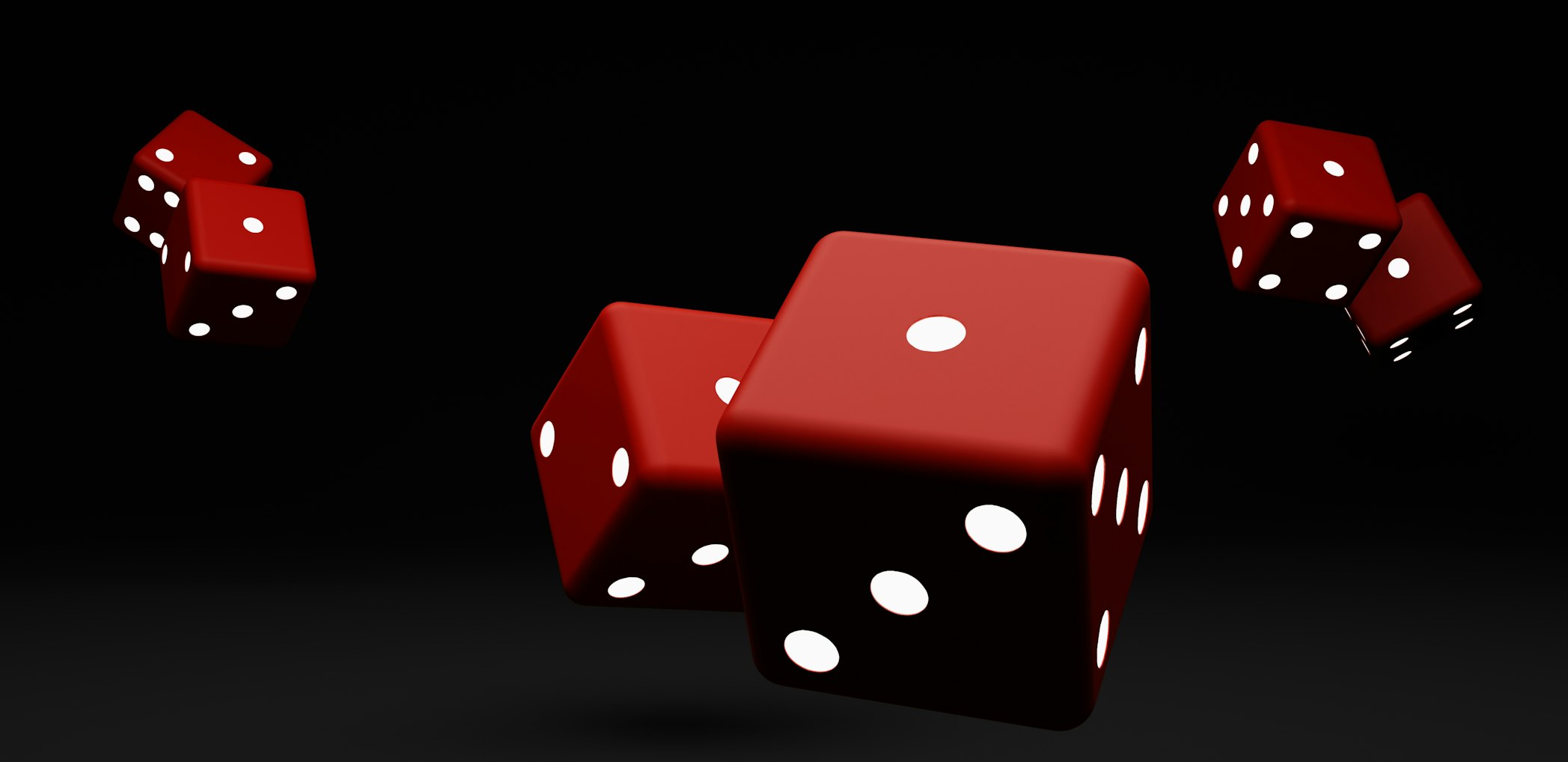
This psychological engagement with uncertainty can lead to a distorted sense of reality. Individuals may believe they have control over the outcome, despite knowing the odds are stacked against them. This illusion of control can reinforce gambling behavior, as players chase the next big win, often disregarding the negative consequences that may arise.
Social and Cultural Influences
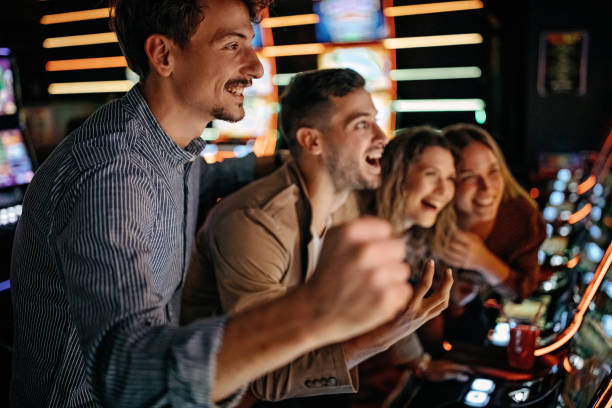
The cultural significance of gambling varies widely across societies, impacting how individuals perceive and engage in these activities. In many cultures, gambling is seen as a social pastime, where friends and family gather in casinos or around poker tables. This social aspect enhances the appeal, transforming gambling into a communal experience rather than just a solitary activity.
The Brain’s Reward System
Neurological studies have shown that gambling activates the brain’s reward pathways, similar to other forms of pleasure-seeking behaviors. When a player wins, the brain releases dopamine, reinforcing the behavior and making them want to gamble again. This biochemical response can lead to a cycle of repeated gambling, driven by the pursuit of that dopamine hit.
Over time, the brain can become desensitized to these rewards, pushing individuals to gamble more to achieve the same level of satisfaction. This desensitization can escalate the gambling behavior, leading to more significant losses and a potential gambling addiction. Understanding this relationship between gambling and brain chemistry is crucial for recognizing the psychological traps that can ensnare individuals.
Decision-Making Under Pressure
The pressure associated with gambling can significantly impact decision-making processes. When faced with the excitement of a game or the fear of losing, individuals often make irrational choices. This phenomenon is exacerbated by cognitive biases such as loss aversion, where people prefer to avoid losses rather than acquiring equivalent gains, leading to suboptimal decisions.
In high-stakes environments, the emotional intensity can cloud judgment, causing gamblers to chase losses rather than walk away. Such decision-making pitfalls illustrate how emotional states can override rational thinking, making it crucial for gamblers to recognize their emotional triggers to mitigate poor choices and potentially harmful behaviors.
Ensuring Safety in Gambling Activities
As the allure of gambling continues to captivate many, ensuring safety becomes a paramount concern. Understanding the psychological aspects of gambling can empower individuals to make informed choices and recognize when they may be crossing a line into harmful behavior. Resources and support are available to help those who may struggle with gambling addiction.
Prioritizing user safety and transparency in the gaming experience can enhance responsible gambling. By fostering awareness of the psychological traps and encouraging healthy behaviors, individuals can enjoy gambling as a form of entertainment rather than a compulsive activity. Responsible practices can lead to a more sustainable relationship with gambling, allowing for enjoyment while minimizing risk.
